
Focus on mastering the maneuvering controls right from the start. Prioritize practicing tight turns and rapid ascents to gain an advantage over opponents. Understanding the physics within the flight legends game enables players to navigate through obstacles and outsmart rivals during dogfights.
Maximize your aircraft’s upgrades by allocating resources wisely. Invest in enhancing speed and agility over firepower to maintain a tactical edge. This choice allows for quick evasions and effective positioning, making your aircraft a formidable opponent in the skies.
Join a community or form alliances with other players. Teamwork can change the tide of battle, as coordinated attacks and shared intelligence on enemy movements can create unmatched opportunities. Communication tools available within the game can bolster collaborative efforts, increasing the chances of domination.
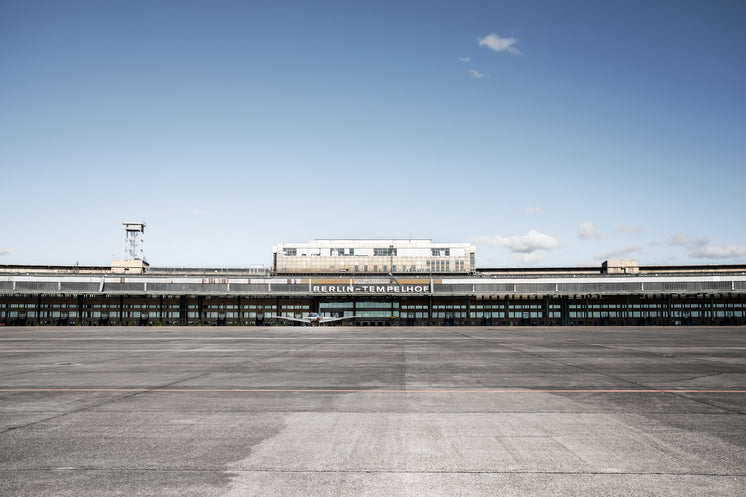
Study the maps carefully to familiarize yourself with critical locations and cover spots. Knowledge of each environment enables smarter gameplay, letting you anticipate enemy strategies and react accordingly. Utilize these insights during matches to secure advantageous positions and stay one step ahead.

Regularly participate in challenges and events to refine your skills and gain exclusive rewards. These activities often present unique scenarios that test your abilities under pressure, promoting adaptability and quick thinking, which are pivotal in aerial combat.
Mastering Aircraft Selection and Upgrade Paths
Select aircraft with attributes that align with your preferred play style. Speed-focused aircraft excel in quick engagements, while those with high durability can endure sustained battles. Assess the mission requirements: if aerial dogfighting is your target, prioritize maneuverability along with armament options.
Understanding Upgrade Options
Every model has distinct upgrade paths that can enhance its capabilities. Familiarize yourself with available upgrades to boost speed, firepower, or resilience. Investing in performance attributes can yield significant advantages in combat scenarios. Focus on tiered upgrades for maximum impact; some aircraft may require specific components before unlocking advanced features.
- Prioritize upgrades that suit your role (e.g., bomber, fighter, support).
- Balance between offensive upgrades and defensive enhancements.
- Collect resources efficiently to ensure timely upgrades.
Analyzing Aircraft Strengths and Weaknesses
Each aircraft presents unique strengths and weaknesses. Evaluate these factors critically. For instance, while a fighter may have excellent agility, it might sacrifice durability. Analyze the matchmaking system to choose models that exploit opponents’ vulnerabilities. Use this knowledge to strategically select your fleet for specific encounters.
Participate in community discussions to gain insights into meta trends. Other players will often highlight which models are currently favored or underrated. Adjust your selections according to emerging patterns, keeping an eye on game updates that could shift the balance of power among aircraft.
Lastly, always experiment with different aircraft to discover hidden potential. Sometimes, less popular options may outperform the mainstream choices in niche scenarios. A well-rounded knowledge of various models will ensure you are prepared for any situation that arises in combat.
Optimizing Team Coordination for Higher Mission Success
Implement a clear communication protocol. Establish designated channels for different types of information, such as strategic updates, immediate alerts, and collaborative discussions. For instance, using voice chat for urgent situations while reserving text chat for strategy planning can streamline interactions and reduce confusion.
Incorporate role assignments based on individual strengths and weaknesses. Conduct assessments to identify each member’s skill set and allocate tasks accordingly. For example, a player with advanced piloting skills should focus on flying, while others concentrate on support roles such as attack coordination or reconnaissance.
Regular debriefing sessions post-mission are advantageous. Analyze performance by discussing what worked well and what didn’t. Use these insights to improve future teamwork. Keep structured notes on different scenarios and outcomes for future reference.
| Role | Responsibilities | Skills Required |
|---|---|---|
| Pilot | Flying the aircraft, navigating | Precision, situational awareness |
| Navigator | Mapping routes, planning missions | Strategic thinking, knowledge of terrain |
| Support | Providing assistance, covering fire | Teamwork, adaptability |
Utilize simulation tools to prepare for missions. Practicing in a controlled environment can enhance coordination and response times. Encourage team members to engage in drills that focus on specific phases of operations, allowing for a refined and efficient execution in real scenarios.
Encourage feedback loops within the team. Create a culture where constructive criticism is welcome and appreciated. Regularly check in with team members to assess morale and engagement to ensure everyone feels valued and invested in the mission outcomes.